




What Is Caller ID Spoofing?
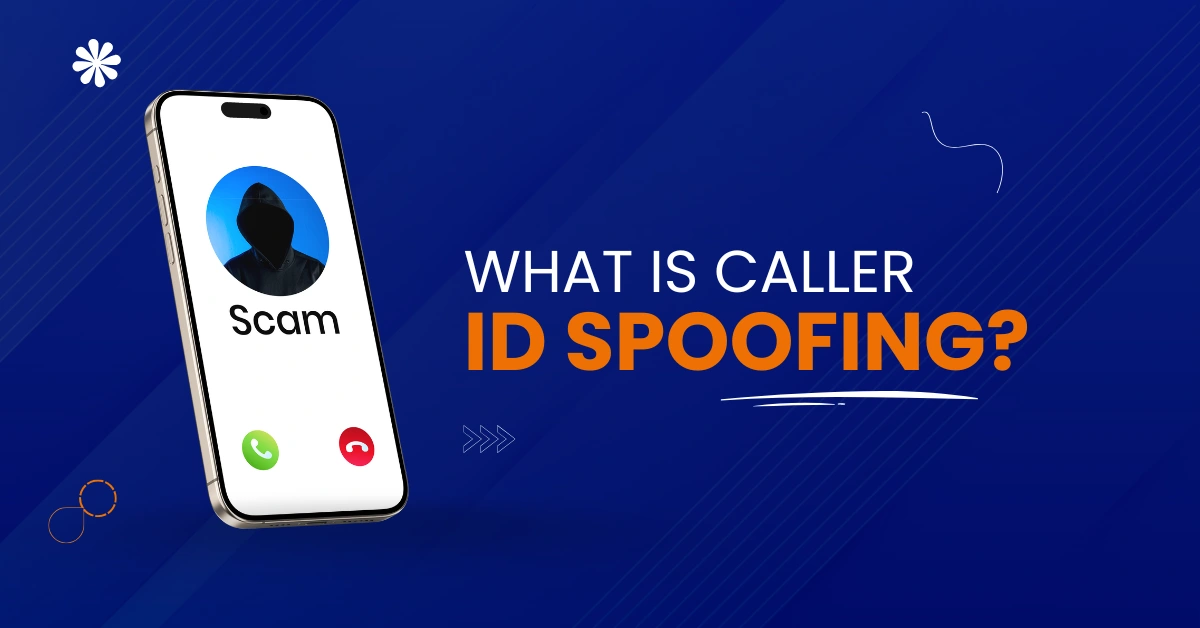

Table of Contents
Phone calls feel familiar and safe when the caller ID shows a known name or number. Many people trust what appears on their phone screen. That trust is exactly what scammers exploit through caller ID spoofing.
At Vitel Global, we help businesses and individuals protect communication systems from fraud, spam calls, and identity threats. Caller ID spoofing is one of the fastest-growing phone scams today.
This guide explains what caller ID spoofing is, how call spoofing works, why scammers use fake numbers, and how to protect yourself from spoofed calls.
What Is Caller ID Spoofing?
Caller ID spoofing is when a caller deliberately falsifies caller ID information.
The incoming call appears to come from a different phone number. That number may look familiar, local, or trusted. In reality, the call comes from a completely different source.
Caller ID spoofing is also called call spoofing, phone spoofing, or caller ID masking.
How Caller ID Spoofing Works
Caller ID information is transmitted with every phone call.
Scammers manipulate this information before the call reaches your phone. Modern phone systems use Internet Protocol networks. These systems allow caller ID data to be easily changed.
Spoofing often happens using online tools or apps.
Why Scammers Use Caller ID Spoofing
Scammers often spoof phone numbers to quickly gain trust.
They know people are more likely to answer familiar numbers.
Common reasons scammers spoof calls include:
- Scammers increase answer rates using familiar local phone numbers.
- Fake caller IDs reduce suspicion during unexpected phone calls.
- Spoofing helps bypass call blocking and labeling services.
- Scammers hide real phone numbers to avoid tracing.
- Caller ID spoofing supports identity theft and fraud attempts.
Neighbor Spoofing Explained
Neighbor spoofing uses phone numbers similar to yours.
The spoofed number often shares the same local area code. It may even match the first few digits of your own phone number.
People assume such a call is local or important.
Common Examples of Spoofed Calls
Spoofed calls often follow similar patterns.
Common spoof phone call examples include:
- Calls claiming to be from a government agency.
- Calls pretending to be your phone company.
- Fake doctor calls during regular business hours.
- Calls asking for account numbers or verification codes.
- Voicemail messages requesting urgent callbacks.
Why Caller ID Spoofing Is Dangerous
Caller ID spoofing leads to serious risks.
People often trust caller ID information. That trust can lead to financial loss and identity theft.
Major risks include:
- Scammers wrongly obtain valuable personal information.
- Victims share account numbers or passwords unknowingly.
- Fraudsters access voicemail accounts using social engineering.
- Spoofed calls lead to unauthorized payments or transfers.
- Identity theft begins with a single spoofed phone call.
Is Caller ID Spoofing Illegal?
Caller ID spoofing is illegal in many cases.
In the United States, Federal Communications Commission rules prohibit spoofing used for fraud or harm.
The Caller ID Act bans transmitting misleading caller ID information with the intent to defraud.
What FCC Rules Say About Caller ID Spoofing
FCC rules clearly address spoofed calls.
According to FCC guidelines:
- FCC rules prohibit spoofing intended to defraud consumers.
- Providers are encouraged to block illegal spoofed calls.
- Phone companies must support call authentication technologies.
- Labeling services should warn users about spoofed numbers.
- Consumer complaints help track spoofing call patterns.
Role of the Federal Trade Commission
The Federal Trade Commission tracks phone scams.
FTC reports show spoofed calls are a major source of fraud. Many scams involve spoof phone numbers that impersonate trusted businesses.
How Caller ID Spoofing Affects Businesses
Businesses are frequent spoofing targets.
Scammers fake office numbers or business displays to trick customers. This damages trust and brand reputation.
Business risks include:
- Customers lose trust in legitimate business calls.
- Spoofed caller IDs damage brand credibility quickly.
- Businesses receive consumer complaints about fake calls.
- Support teams handle confusion caused by spoofed numbers.
- Revenue loss occurs due to reputation damage.
Why People Trust Caller ID Too Much
Caller ID feels reliable, but it is not verified.
Caller ID systems were designed for convenience, not security. Most phone services still display caller IDs without strong verification.
Trusting the caller ID alone increases the risk of falling victim.
Signs of a Spoofed Caller ID
Spoofed calls often show warning signs.
Watch for these indicators:
- Unexpected calls asking for personal identifying information.
- Calls demanding urgent action or payment immediately.
- Calls from familiar numbers are acting strangely.
- Requests for mother’s maiden names or account details.
- Calls that refuse written statements or verification.
Should You Answer Calls From Unknown Numbers?
Answering unknown calls increases risk.
Spoofed calls often come from unknown numbers or fake familiar numbers. Let such calls go to voicemail. Legitimate callers usually leave a clear message.
How to Protect Yourself From Caller ID Spoofing
Protection requires awareness and tools.
Key protection steps include:
- Never trust caller ID information alone.
- Do not share personal or account details.
- Use call blocking and labeling services.
- Verify calls using official website contact numbers.
- Report spoofed calls to phone service providers.
How Phone Companies Combat Caller ID Spoofing
Several phone companies use call authentication.
Technologies like STIR/SHAKEN help verify caller IDs. These systems reduce spoofed caller IDs across networks.
Encouraged providers to actively block spoofed calls.
How Vitel Helps Reduce Spoofed Calls
At Vitel, secure calling is a priority.
Vitel Global supports trusted business communication by:
- Providing verified caller ID display for businesses.
- Supporting call authentication and masking controls.
- Helping reduce unwanted and spoofed calls.
- Protecting personal and business phone numbers.
- Improving call trust for customers and partners.
What To Do If You Receive a Spoofed Call
Take action quickly.
Recommended steps include:
- Do not answer suspicious or unexpected calls.
- Do not return calls to spoofed numbers.
- Block the spoofed caller immediately.
- Report spoofed calls to your phone company.
- File complaints with the FCC or FTC agencies.
Are Spoofing Apps Legal?
Some spoofing apps exist for testing or privacy.
However, using apps to fake a caller ID for fraud is illegal. App developers are required to prevent misuse under FCC rules.
Caller ID Spoofing and Identity Theft
Caller ID spoofing often leads to identity theft.
Scammers collect small details over multiple calls. These details later unlock accounts or authorize payments.
Being extremely careful protects your identity.
Future of Caller ID Protection
The phone industry is improving security.
Better call authentication, stronger labeling services, and stricter FCC rules will reduce spoofing. Still, user awareness remains the strongest defense.
Final Thoughts
Caller ID spoofing is a serious threat. Trusting the caller ID alone is no longer safe.
Awareness, caution, and secure calling tools make the difference.
At Vitel Global, we help protect communication systems so every call builds trust, not risk
Secure Your Calls With Vitel Global
At Vitel Global, we help businesses protect calls, customers, and brand reputation using modern cloud communication tools.
Frequently Asked Questions
1. What is caller ID spoofing?
Caller ID spoofing happens when a caller falsifies caller ID information to appear as another phone number. Scammers use spoofed calls to gain trust, trick people into sharing personal information, and commit fraud through phone calls that look legitimate.
2. Is caller ID spoofing illegal?
Caller ID spoofing is illegal when used to defraud, cause harm, or obtain personal information. FCC rules prohibit transmitting misleading caller ID information with malicious intent. Legitimate uses without fraudulent intent are limited and regulated.
3. Why do scammers use neighbor spoofing?
Scammers use neighbor spoofing to display phone numbers similar to yours. This increases the chance you answer the call. Familiar local area codes make spoofed calls appear safe and important.
4. Can caller ID spoofing be blocked?
Caller ID spoofing cannot be fully blocked, but tools help reduce it. Call authentication, call labeling services, blocking unknown numbers, and reporting spoofed calls to providers lower risk.
5. How does Vitel help prevent spoofed calls?
Vitel Global helps reduce spoofed calls by supporting verified caller ID systems, call authentication tools, and secure cloud communication platforms that improve call trust for businesses and customers.
Published: January 5th, 2026
Subscribe to Our Latest Updates
Get monthly product and feature updates, the latest industry news, and more!