




How to Find Out If a Phone Number Is Fake
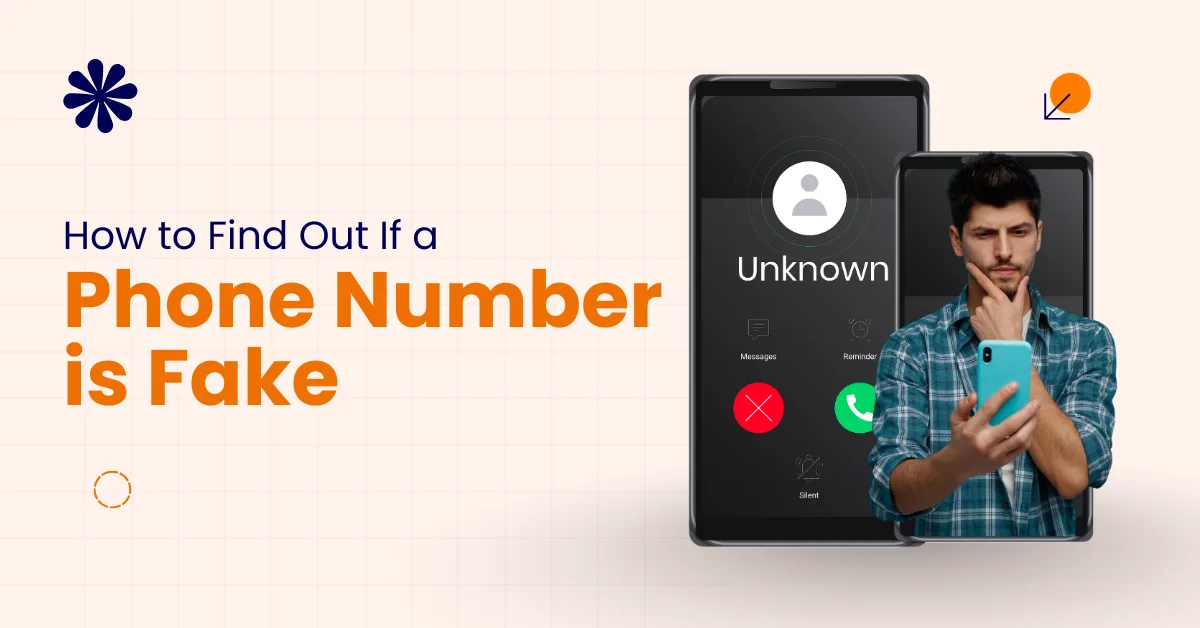

Table of Contents
Fake phone numbers are everywhere today. They appear in calls. They arrive through text messages. Some look local. Others look official. Many people trust them by mistake.
Scammers use fake phone numbers to steal money, data, and identities. They pretend to be banks, companies, or government agencies. One wrong response can cause serious damage.
At Vitel Global, we help businesses and users protect communication channels. Fake phone numbers create spam, fraud, and broken trust. Knowing how to identify them is no longer optional.
This guide explains how to find out if a phone number is fake, how phone number validation works, and how to protect yourself using reliable tools and simple checks.
What Is a Fake Phone Number?
A fake phone number is a number used to hide a real identity.
It may look real. It may even ring like a normal phone. But it does not represent a trustworthy caller.
Fake numbers are often created using VoIP services. Some are temporary. Others are spoofed to look like local numbers.
These numbers are widely used for phone scams, spam calls, and fraud attempts.
Why Fake Phone Numbers Are Increasing Worldwide
Fake phone numbers are growing fast.
Cheap VoIP services make number creation easy. Scammers can generate thousands of numbers in minutes. Caller ID spoofing hides the real source.
Global internet access makes scams borderless. One scammer can target users across countries.
This growth affects both individuals and businesses.

Why Fake Phone Numbers Are Dangerous
Fake phone numbers cause real harm.
They are not just annoying. They are designed to exploit trust.
Common risks include:
- Financial fraud through fake payment or refund requests
- Identity theft using phone verification tricks
- Malware links sent through text messages
- Impersonation of banks or government agencies
- Emotional pressure using urgent phone calls
One response can lead to major losses.
Common Signs a Phone Number Is Fake
Fake phone numbers follow patterns.
Recognizing these signs early reduces risk.
- The caller demands urgent action or immediate payment
- Text messages contain shortened or suspicious links
- Caller refuses callback on official business numbers
- Calls repeat using slightly different phone numbers
- Voicemail sounds robotic or poorly recorded
Always pause before responding.
How Phone Number Validation Works
Phone number validation checks if a number is real.
It confirms whether the number exists, is active, and belongs to a valid carrier. Validation checks the number format, country code, and carrier assignment.
It does not expose personal details. It only verifies technical legitimacy.
Businesses rely on phone number validation to reduce fraud and spam.
What Is Phone Number Verification?
Phone number verification confirms ownership.
It ensures the person using the number actually controls it. This is done through verification codes or automated calls.
Verification prevents fake signups and scam activity.
Validation checks the structure. Verification checks ownership.
Phone Number Validation vs Phone Number Lookup
These are often confused.
They serve different purposes.
- Validation confirms the number’s existence and carrier status
- Lookup reveals public carrier or location information
- Verification confirms user control of the number
- Search finds public business listings only
Using the correct method matters.
How to Find Out If a Phone Number Is Fake Manually
Manual checks help with early detection.
They are simple but limited.
Step 1: Check the Area Code Carefully
Area codes show origin.
Verify if the area code matches the claimed location. Fake numbers often use random or mismatched codes to appear local.
Step 2: Search the Phone Number Online
Online searches reveal history.
Enter the number into Google. Look for scam warnings, reports, or user complaints. Many scam numbers have already reported.
Step 3: Review Caller ID Information
Caller ID gives context.
Fake numbers often display generic names, missing details, or misleading labels like “Support” or “Service.”
Step 4: Analyze Message Content Closely
Content reveals intent.
Urgent tone, threats, or payment demands are strong scam indicators. Legitimate companies do not request sensitive data through texts.
Limits of Manual Phone Number Checks
Manual checks are helpful but incomplete.
They cannot detect VoIP usage reliably. They cannot confirm the number of activity statuses. They do not scale for businesses.
This is where tools become essential.
Using Phone Number Validation Tools
Phone number validation tools provide accuracy.
They check carrier records, VoIP usage, and number status in real time.
These tools detect invalid phone numbers before damage occurs.
Benefits of Phone Validator Tools
Validation tools provide clear, measurable advantages for businesses managing customer communication and data quality.
- Identify invalid phone numbers instantly before database entry or outreach
- Detect VoIP or disposable numbers quickly to avoid misuse
- Confirm country and carrier details accurately for proper routing
- Reduce fake user registrations effectively across signup and onboarding flows
- Prevent spam calls and fraud attempts using intelligent number screening
- Businesses rely on phone validation tools daily for data accuracy
Bulk Phone Number Validation for Businesses
Businesses face larger risks.
Bulk phone number validation checks thousands of numbers at once. It removes invalid or fake numbers before messages are sent.
This protects the sender’s reputation and reduces wasted costs.
Phone Verification Tools for Fraud Prevention
Verification adds security.
It ensures real users control phone numbers. This stops fake signups and automated scams.
Common verification methods include:
- One-time password sent via text message
- Automated voice call confirmation
- Multi-step phone verification workflows
These methods improve trust.
How Scammers Use VoIP and Spoofing
VoIP makes scams scalable.
Scammers use VoIP to create disposable numbers cheaply. Caller ID spoofing lets them appear local or trusted.
The displayed number may not match the real source.
This is why validation matters.
Landline vs Mobile vs VoIP Numbers
Different numbers carry different risks.
- Landline numbers are harder to spoof
- Mobile numbers are commonly targeted
- VoIP numbers are easiest to fake
Validation tools identify number types accurately.
How Text Messages Reveal Fake Numbers
Text messages expose patterns.
Fake numbers often send identical messages to many users. Messages include links, payment requests, or identity prompts.
Legitimate businesses personalize messages.
Fake Numbers Impersonating Government Agencies
Scammers use authority.
Fake numbers pretend to represent tax offices, police, or regulators. Real agencies never demand payment by phone.
Always verify using official websites.
How Vitel Global Helps Validate Phone Numbers
At Vitel Global, we focus on trusted communication.
Our phone number validation solutions help businesses identify fake, invalid, or risky numbers before engagement.
This reduces fraud and protects users.
Vitel Global Phone Validation Tools
Vitel Global provides enterprise-grade phone validation tools designed for accuracy, security, and scale.
Key capabilities include:
- Real-time phone number validation APIs for instant verification
- Bulk phone number validation workflows for large datasets
- Carrier and number type detection for accurate classification
- VoIP and spoofing identification to prevent misuse
- AI-assisted anomaly detection signals for suspicious activity
These tools scale securely across high-volume business communication environments.
Light AI Feature Highlight from Vitel Global
Vitel Global uses AI responsibly.
Our AI models analyze call patterns, message behavior, and anomalies. They flag suspicious activity quietly without affecting user experience.
AI improves accuracy, not noise.
Best Practices to Avoid Fake Phone Number Scams
Strong habits reduce risk and protect businesses from phone-based fraud attempts.
- Never share personal or financial details with unknown callers
- Avoid clicking links from unknown or unverified text messages
- Use phone number validation tools regularly for verification
- Block suspicious numbers immediately to prevent repeated contact
- Report scam attempts to carriers or the appropriate authorities promptly
Awareness remains one of the most powerful forms of protection against scams.
What to Do If You Already Responded
Act immediately.
If money or details were shared, contact your bank. Change passwords. Report the number to your carrier. Monitor accounts closely.
Quick action limits damage.
Tools and Resources by Vitel Global
Businesses need reliable protection to maintain secure, trusted, and compliant communication channels.
Vitel Global offers secure communication platforms with built-in validation, monitoring, and fraud prevention capabilities.
Our tools support:
- Phone number validation workflows for accurate customer verification
- Secure outbound calling systems for trusted business communication
- Fraud risk reduction measures using intelligent monitoring tools
- Trusted business communication across voice, messaging, and platforms
These tools help businesses protect data, prevent misuse, and maintain communication integrity at scale.
Final Thoughts: Identify Fake Numbers Before They Cause Harm
Fake phone numbers look real. They sound convincing. But they often exist to exploit trust.
Learning how to find out if a phone number is fake protects people and businesses alike.
At Vitel Global, we help organizations verify numbers, prevent fraud, and communicate with confidence. If phone number trust matters to you, Vitel Global is ready to help.
Verify Phone Numbers With Vitel Global
Identify fake phone numbers accurately using validation tools that protect users, prevent scams, and improve trusted business communication worldwide.
Frequently Asked Questions
1. How can I find out if a phone number is fake?
You can search the number online, check the area code, review the caller ID, and analyze the message content. For stronger accuracy, use a phone number validation tool that confirms carrier, number type, and activity without revealing personal information.
2. What is phone number validation?
Phone number validation checks whether a phone number exists, is active, and belongs to a valid carrier. It helps detect invalid phone numbers, VoIP numbers, and formatting errors before calls or messages are sent.
3. Can fake phone numbers receive calls or messages?
Yes. Many fake numbers can receive calls or text messages temporarily. VoIP and disposable numbers allow scammers to interact briefly and then disappear, which is why validation and verification tools are critical.
4. Are phone number lookup websites reliable?
Lookup websites provide limited public data. They often cannot detect spoofing or VoIP usage. Professional phone validator tools use carrier-level data and offer higher accuracy for real-world detection.
5. How does Vitel Global prevent phone scams?
Vitel Global provides phone number validation, bulk verification, and AI-assisted fraud detection. These tools help businesses identify fake numbers early, reduce scam exposure, protect users, and maintain trusted communication channels.
Published: December 23rd, 2025
Subscribe to Our Latest Updates
Get monthly product and feature updates, the latest industry news, and more!