




Why You Need to Start Tracking Unanswered and Missed Calls
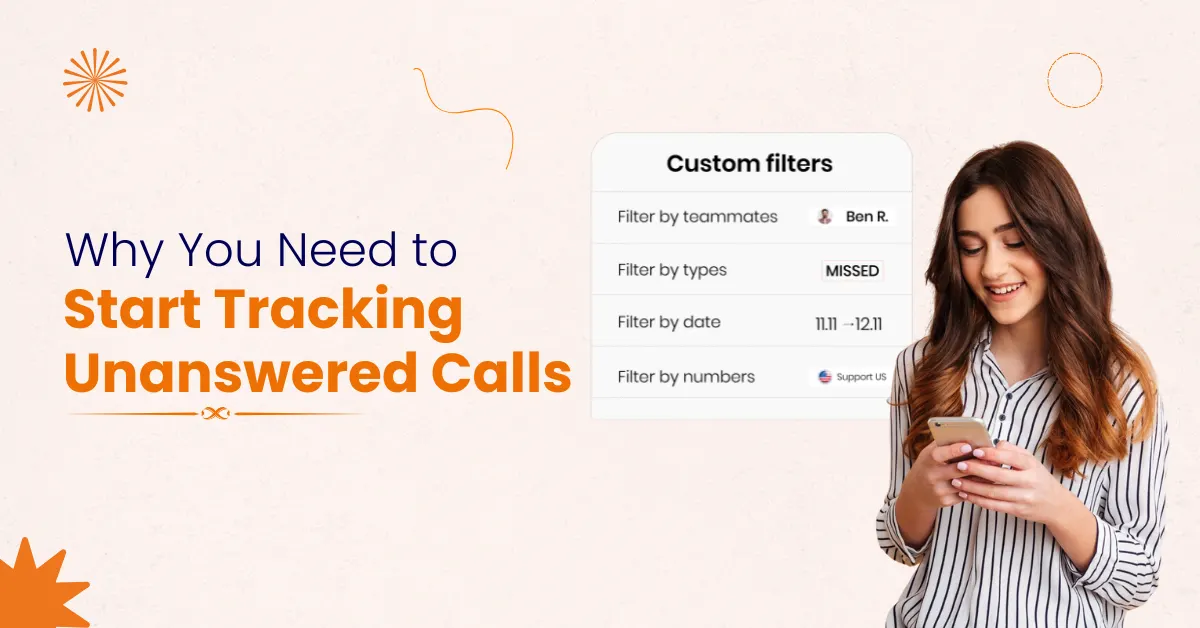

Table of Contents
Let’s talk about something most businesses don’t like to admit.
Phone calls are still one of the strongest signals of customer intent, yet they are also one of the most ignored parts of the customer journey.
When a phone rings, someone on the other side wants an answer now. They are not browsing. They are not researching casually. They are ready to act. If that call goes unanswered, the opportunity usually disappears quietly. No complaint. No follow-up. Just a customer who moved on.
This is exactly why tracking unanswered calls and missed calls has become essential for modern businesses. At Vitel, we see this every day—businesses invest in marketing, generate calls, and still lose revenue simply because calls are not tracked, answered, or followed up properly.
A Missed Call Is Not Just a Missed Conversation
It’s easy to think of missed calls as a small inconvenience. Maybe the team was busy. Maybe it happened during peak hours. Maybe it was off hours. These excuses feel harmless until you look at the impact over time.
Every unanswered call represents a potential customer who made the effort to reach you. When calls go unanswered, customers rarely wait. They call another business, often within minutes. That single moment can turn into lost revenue and lost trust.
Tracking missed calls helps you see how often this happens and how much business slips away silently.
Customers Expect Answers, Not Voicemail
Customer expectations have changed dramatically. People expect quick responses and clear communication. When they call a business, they expect someone to answer or respond quickly.
Voicemail alone is no longer enough. Many callers do not leave messages. They hang up and move on. Without call tracking, those missed connections disappear completely.
When you track unanswered calls, you start to understand when customers reach out, why they call, and how often they are left without answers.
Why Most Businesses Don’t Realize Calls Are Being Missed
Here’s the problem.
Most businesses assume their calls are handled properly.
Phones ring. Some calls get answered. Others don’t. Without tracking, it feels manageable. There is no clear visibility into how many calls go unanswered or how often callers never call back.
Call tracking removes that blind spot. It shows you exactly what happens to every call, even the ones no one picks up.
What Call Tracking Actually Shows You
Call tracking is not just about counting missed calls. It gives you context and clarity.
It shows:
- When calls come in
- Which phone number receives the most calls
- Whether calls happen during peak times or off hours
- How quickly your team responds
This data turns phone activity into actionable insights you can actually use.
What Missed Calls Are Really Costing You
- Missed calls quietly reduce revenue without obvious warning signs.
- Unanswered calls weaken customer trust and confidence in service.
- Lost calls often come from high-intent potential customers.
- Repeated missed calls discourage repeat callers from trying again.
- Calls during peak hours expose staffing and process gaps.
Incoming and Outgoing Calls Tell Different Stories
Incoming calls usually signal demand. Outgoing calls reflect follow-ups, sales efforts, or support.
When you track both, patterns start to appear. You may notice that incoming calls spike at certain times, while outgoing calls lag. Or that follow-ups happen too late to recover missed opportunities.
Understanding these patterns helps improve call handling and response strategies.
Missed Calls and Marketing Are Closely Connected
Marketing campaigns often generate phone calls, especially Google Ads and local campaigns. Many customers prefer calling instead of filling out forms.
If those calls go unanswered, marketing spend is wasted. The ad worked. The phone rang. But the business never captured the lead.
Call tracking connects marketing efforts to real outcomes. It shows which campaigns generate calls and whether those calls are actually answered.
How Missed Calls Undermine Marketing Efforts
- Marketing campaigns fail when calls go unanswered after clicks.
- Google Ads often drive phone calls, not form submissions.
- Missed calls hide the true performance of marketing investments.
- Tracking calls reveals real return on advertising spend.
- Unanswered calls turn paid traffic into lost opportunities.
Response Time Is the Hidden Conversion Factor
Response time matters more than most businesses realize. Customers calling businesses expect fast answers. Even short delays can push them toward competitors.
Call tracking highlights response times clearly. It shows whether calls are answered immediately or left ringing. It also reveals how long callbacks take after missed calls.
Faster response times lead directly to better customer experience and higher conversion rates.
Turning Missed Calls Into Second Chances
Missed calls do not have to mean lost business. When calls are tracked, businesses can capture caller details and follow up quickly.
This creates a second chance to connect. A simple callback can recover a lost opportunity and show customers that their call mattered.
Without tracking, that second chance never happens.
Recovering Missed Opportunities Through Call Tracking
- Tracking captures caller information even without voicemail messages.
- Quick callbacks improve trust and customer satisfaction significantly.
- Missed calls become warm leads with follow-up strategies.
- Call data enables consistent and timely follow-ups.
- Reconnecting quickly prevents customers from choosing competitors.
Understanding Peak Hours and Off Hours
Every business has peak times. These are the hours when calls come in fastest and most frequently.
Call tracking helps identify those periods clearly. It also shows when calls arrive outside business hours and go unanswered.
With this insight, businesses can adjust schedules, add coverage, or use answering services to reduce missed calls.
Why Local Businesses Feel Missed Calls More Deeply
Local businesses depend heavily on phone calls. Customers call to ask about availability, pricing, directions, and immediate service.
When local calls go unanswered, customers rarely wait. They choose another nearby option. That makes missed calls especially costly for local businesses.
Tracking calls helps local businesses respond faster and stay competitive in crowded markets.
Why Local Businesses Need Call Tracking
- Local customers expect immediate phone responses for urgent needs.
- Missed local calls often result in permanent customer loss.
- Tracking reveals which locations generate the most call demand.
- Faster callbacks help local businesses win competitive searches.
- Call data supports smarter staffing for busy local periods.
Call Tracking Improves Team Performance Without Guesswork
When calls are not tracked, performance conversations rely on assumptions. Team members may believe calls are answered, while data shows otherwise.
Call tracking creates transparency. It shows who answers calls, who misses them, and how calls are handled.
This data helps improve training, scheduling, and accountability without blame.
Call Tracking Strengthens the Entire Customer Journey
Phone calls often happen at critical decision moments. A missed call can break the customer journey instantly.
Tracking calls helps businesses understand when customers reach out and what they need at that moment. This insight allows businesses to refine messaging, improve service quality, and remove friction.
The result is a smoother, more reliable customer experience.
How Call Tracking Improves Customer Experience
- Customers feel valued when calls are answered promptly.
- Fewer missed calls reduce frustration and negative impressions.
- Consistent call handling builds trust and loyalty over time.
- Tracking identifies breakdowns in the customer journey.
- Better call experiences lead to higher repeat engagement.
Every Call Is a Chance to Grow
Every phone call is a moment of connection. When calls go unanswered, businesses lose more than conversations. They lose trust, revenue, and growth opportunities.
Tracking unanswered calls and missed calls turns phone activity into insights, improvements, and results. It helps businesses respond faster, serve better, and compete stronger.
If your phone rings, it means someone wants to connect.
Tracking ensures you never miss what that connection could become.
Conclusion
Missed calls are not just unanswered phone rings. They are missed conversations, missed connections, and missed revenue. Every time a call goes unanswered, a potential customer quietly walks away, often without giving your business another chance.
Tracking unanswered and missed calls changes that outcome. It gives businesses visibility into what is really happening when the phone rings, how customers try to reach them, and where opportunities are being lost. With the right insights, teams can respond faster, improve service, and turn missed moments into meaningful customer interactions.
At Vitel, we believe every call deserves attention. When businesses track calls, they stop guessing, start responding, and begin building stronger customer relationships. In a world where customers expect immediate answers, call tracking is no longer a nice-to-have—it is the difference between losing opportunities and turning every call into growth.
Ready to Stop Losing Calls and Revenue?
Track every call, capture missed opportunities, and improve response times with actionable call insights.
FAQs
1. Why should businesses track unanswered and missed calls?
Tracking unanswered and missed calls helps businesses identify lost opportunities, understand customer behavior, and improve response strategies. It provides visibility into when calls go unanswered, why customers leave, and how missed interactions impact revenue, satisfaction, and long-term growth outcomes.
2. How do missed calls affect customer satisfaction?
Missed calls negatively affect customer satisfaction by creating frustration and distrust. Customers expect quick responses. When calls go unanswered, they feel ignored and often choose competitors, damaging the customer journey, brand perception, and chances of repeat engagement.
3. Can call tracking improve marketing campaign performance?
Yes, call tracking connects phone calls to marketing campaigns like Google Ads. It reveals which efforts generate inbound calls, which calls go unanswered, and how many convert into leads, helping businesses optimize spend and measure real marketing return accurately.
4. How does call tracking help teams respond faster?
Call tracking monitors response times, identifies peak call hours, and highlights missed follow-ups. This data allows teams to adjust staffing, improve accountability, and implement callbacks faster, ensuring callers receive timely responses and reducing lost sales opportunities.
5. Is call tracking useful for small and local businesses?
Call tracking is especially valuable for small and local businesses because phone calls often drive immediate decisions. Tracking helps capture caller details, recover missed calls, improve the local customer experience, and compete effectively against nearby businesses by enabling faster responses.
Published: February 4th, 2026
Subscribe to Our Latest Updates
Get monthly product and feature updates, the latest industry news, and more!