



Guide on AI Receptionist for Small Business

Table of Contents
An AI receptionist for small business helps teams answer more calls, respond faster, and stop losing leads when nobody is free to pick up. For many small companies, the issue is not demand. The issue is what happens when calls come in during jobs, meetings, lunch rushes, after-hours, or weekends.
That is where a stronger call-handling setup matters. With the right combination of AI phone answering, intelligent routing, accurate message capture, and seamless mobile reach, businesses can convert more inbound calls into booked appointments, qualified leads, and streamlined follow-up. Vitel Global supports that shift by giving small teams a better communication environment behind the first response.
What an AI Receptionist for Small Business Actually Means
An AI receptionist is a voice-based business calling layer that answers inbound calls, understands what the caller needs, and takes the next step based on rules you set. That next step could be giving business hours, routing the call to sales, forwarding an urgent call to a mobile number, capturing a message, or helping with appointment requests.
For a small business, that matters because the phone is still one of the highest-intent contact points. People do not usually call just to browse. They call when they want pricing, support, scheduling, availability, or immediate help.
An AI receptionist for a small business typically supports:
- answering calls at all hours
- handling common customer questions
- routing by department or person
- forwarding urgent calls
- taking messages with cleaner detail
- helping with appointment or callback requests
- reducing missed-call leakage during busy periods
That makes it more than an auto-answer tool. It becomes part of how the business receives demand.
Stop Missing Small Business Calls That Should Turn Into Revenue
Give your team stronger first-response coverage with Vitel Global AI-ready business calling.
Why an AI Receptionist for Small Business Is Getting More Attention
Small teams are expected to act like larger operations. Customers want quick answers. They want clear routing. They do not want to hear endless ringing, reach a generic mailbox, or repeat the same details three times.
A small business usually deals with one or more of these issues:
- calls arrive while staff are already handling customers
- owners answer calls between jobs, meetings, or travel
- after-hours inquiries pile up overnight
- lead quality drops because message capture is incomplete
- internal transfers waste time and frustrate callers
This is where a small business AI receptionist becomes practical. It helps reduce friction at the first point of contact without forcing the business to build a full receptionist structure around every hour of the day.
How AI Phone Answering Works in Real Business Use
The simplest way to understand it is this: the system answers the call, identifies intent, and either responds or routes. A caller might say:
- “I need to know if you are open on Saturday.”
- “I want to book a consultation.”
- “I need help right now.”
- “Can I speak with billing?”
- “Do you service my area?”
The system processes the request and follows the call flow set for the business. That may lead to a direct answer, a transfer, a voicemail path, a queue, or a mobile handoff. A modern AI phone answering system can work alongside:
- business phone numbers
- desk phones
- mobile apps
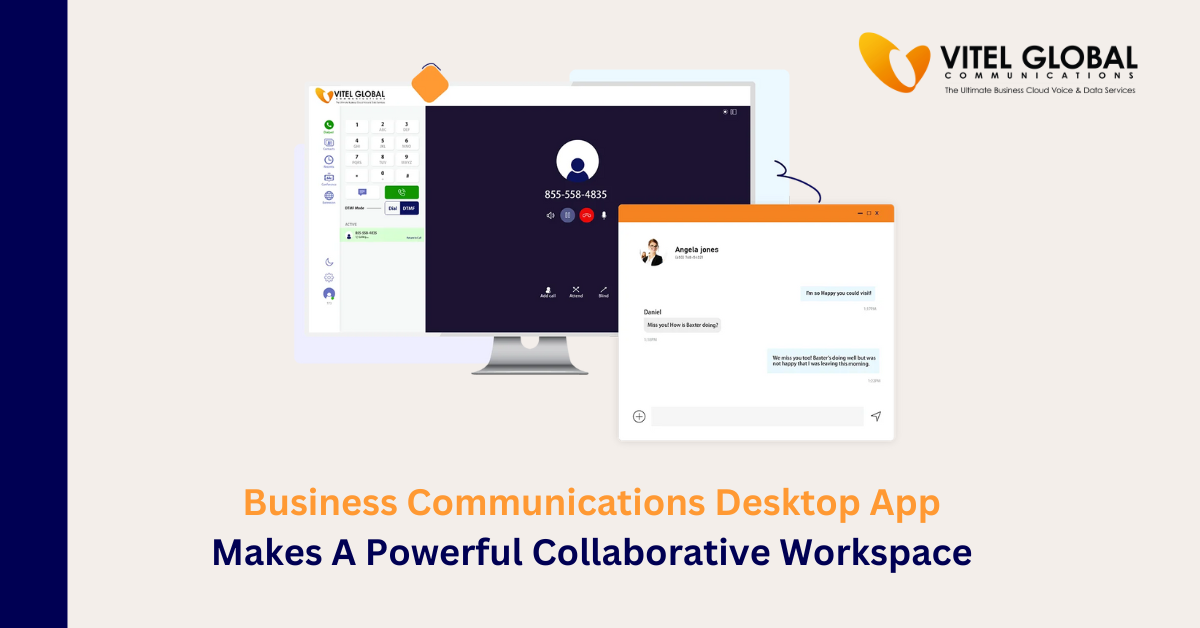
- desktop calling apps
- voicemail settings
- ring groups
- department routing
- calendar-connected workflows
- CRM-connected follow-up paths
For many businesses, the value is not that the system sounds impressive. The value is that the call does not stall.
AI Receptionist for Small Business vs Human Receptionist vs Answering Service
| Factor | AI Receptionist | Human Receptionist | Traditional Answering Service |
| Availability | 24/7 based on setup | Limited to staffed hours | Often broader coverage, but not business-native |
| Speed to answer | Immediate or near-immediate | Depends on workload | Depends on queue volume |
| Call consistency | Consistent across calls | Varies by staff member and workload | Varies by operator |
| Appointment handling | Can support structured intake and routing | Strong with training | Often message-based first |
| Cost structure | Usually lower and more predictable | Highest ongoing payroll cost | Mid-range, often usage-based |
| Overflow handling | Strong for repeated inbound volume | Limited by headcount | Can help, though less integrated |
| Routing logic | Strong when configured well | Manual | Often basic |
| Business system connection | Can align with calling and workflow tools | Manual unless supported by software | Often limited |
A human receptionist still matters in businesses that need deep judgment, complex relationship handling, or highly sensitive conversations. A live answering service can also help in some environments. Yet for routine call volume, repeat questions, initial screening, and after-hours coverage, AI phone answering is becoming much harder to ignore.
See How Vitel Global Supports Smarter AI Call Handling
Build a better front line for inbound calls with routing, voicemail workflows, and mobile reach.
What an AI Receptionist for Small Business Can Handle Well
The strongest use case is not “everything.” The strongest use case is the repeatable part of inbound communication.
AI Receptionist for Small Business and Routine Call Handling
Routine calls often consume more time than businesses realize. These include:
- business hours
- location questions
- department access
- basic service inquiries
- appointment requests
- callback requests
- voicemail handling
- message capture
If those calls are handled faster, your team has more room for work that actually needs a person.
AI Call Assistant and Smart Call Routing
A good AI call assistant should not just answer. It should move calls where they belong.
That includes:
- direct routing to a department
- ring groups for shared teams
- time-based routing after hours
- mobile forwarding for on-call staff
- voicemail fallback when no one is available
- priority handling for urgent call categories
This is where Vitel Global becomes relevant. Businesses using a stronger communications environment can connect call answering with routing logic, user access, mobile coverage, and connected team handling instead of treating the phone as a single fixed endpoint.
Virtual Receptionist Support for Lead Capture
A virtual receptionist setup becomes commercially useful when it improves what happens after the call, not just during it. That means capturing:
- caller name
- phone number
- reason for the call
- urgency level
- preferred callback window
- department or service requested
Poor capture damages follow-up. Better capture improves conversion quality.
What an AI Receptionist Should Not Be Expected to Do Alone
Not every call should stay with automation. That is where many businesses get the decision wrong. An automated answering service should not be forced to handle:
- emotionally charged complaints
- complex troubleshooting
- high-value negotiation
- detailed quoting for custom work
- escalations needing authority
- sensitive account disputes
The stronger model is hybrid. Let the system handle routine front-door traffic. Let your people handle the calls where expertise, persuasion, or judgment matter more.
That balance tends to work better than trying to automate every inch of the conversation.
Business Call Answering Features That Matter Most
When evaluating options, features should be tied to actual business use, not feature count for its own sake. The most useful business call answering features usually include:
- call routing by team or user
- voicemail to email
- ring groups
- auto attendant menus
- business hours logic
- mobile and desktop access
- call forwarding
- queue handling
- call recording support
- reporting visibility
- CRM or workflow connection
Without these, the system may answer calls but still fail to support the business properly.
Why Small Businesses Usually See Value Faster Than Larger Teams
Large organizations often spend months aligning systems, teams, and workflows. Small businesses usually have a shorter path. The pain is more visible. The call flow is clearer. The decision chain is smaller. That means an AI receptionist for a small business can create visible value quickly in areas such as:
- fewer missed inbound calls
- stronger after-hours coverage
- less owner interruption
- faster department access
- cleaner message capture
- more structured callback flow
The gain is often operational first, then commercial. But once call handling improves, lead handling usually improves with it.
Make Your Business Easier to Reach Without Expanding Front-Desk Costs
Support AI phone answering with a Vitel Global setup built for real business communication.
AI Receptionist for Small Business vs Voicemail vs Live Answering
| Option | What It Does Well | Where It Falls Short | Best Fit |
| AI Receptionist | Answers calls quickly, routes callers, captures leads, and provides after-hours coverage. | Requires thoughtful setup, call flows, and clear human escalation paths. | Small businesses that miss calls or need extended coverage. |
| Basic Voicemail | Records messages when no one is available to answer. | No live assistance, no call routing, weak first impression, and slower follow-up. | Very low-volume businesses with minimal call traffic. |
| Live Answering Service | Provides human interaction and message taking. | Higher recurring costs, less integration with business systems, and variable service quality. | Businesses that need live coverage without hiring in-house staff. |
| In-House Receptionist | Offers human judgment, relationship-building, and handles complex conversations effectively. | Highest cost, limited coverage hours, and dependence on staffing availability. | High-touch businesses with consistent front-desk and customer service needs. |
Industries Where an AI Receptionist for Small Business Makes the Biggest Difference
Not every business uses the phone in the same way, though many small businesses share the same problem: important calls arrive when no one is free to handle them properly.
Home Services and Field Teams
Plumbers, electricians, HVAC teams, roofers, cleaning companies, and repair businesses often take calls while already on-site. That means new inquiries, urgent issues, and scheduling requests compete with active work.
An AI receptionist for small business can help by:
- answering while staff are on jobs
- routing urgent calls to the right mobile number
- taking message details without losing the lead
- handling after-hours inquiries that would otherwise sit in voicemail
Healthcare, Wellness, and Appointment-Led Businesses
Clinics, med spas, dental offices, therapy practices, fitness studios, and salons deal with heavy appointment traffic. In these settings, the front desk is often overloaded by repeat questions, booking requests, and rescheduling calls.
A well-configured virtual receptionist can reduce that front-desk pressure by handling first-line call activity and moving routine conversations into a cleaner scheduling path.
Professional Services and Consulting Firms
Law firms, insurance offices, accountants, agencies, and consultants often need a more polished first-call experience. They also need better screening, better intake, and better routing.
Here, a small business AI receptionist helps protect the tone of the first interaction while still keeping the team focused on client work instead of constant phone interruptions.
AI Receptionist for Small Business and Cost Thinking
The cost discussion should not start with the platform fee alone. It should start with what weak call handling is already costing the business.
A missed call can mean:
- a lost quote request
- a lost service inquiry
- a lost appointment
- a delayed support case
- a weaker impression of the business
A human receptionist brings strong value, but full-time staffing can be expensive and limited by shift coverage. A traditional answering service can help, but it often operates outside the broader business communication system. An AI receptionist becomes more attractive because it reduces coverage gaps without increasing payroll costs for extended call handling hours.
For many small businesses, the practical question becomes this: Is the business losing more from poor call response than it would spend on better call handling? That is usually where the answer becomes clear.
Common Mistakes Businesses Make Before Choosing an AI Receptionist
The tool is only as useful as the call logic behind it. That is why many poor results come from setup mistakes, not from the category itself.
Choosing Only on Price
A lower price is not automatically better if the system cannot route well, capture details well, or support the communication flow your business actually needs.
Trying to Automate Every Call
Some calls should go to people quickly. If the business forces automation into every conversation, the experience gets weaker, not stronger.
Ignoring Mobile and Team Access
An AI phone answering system is more effective when the rest of the team can answer, transfer, and follow up from the devices they already use.
Treating It Like a Script Reader
The real gain is not a recorded voice. The real gain is better call movement, better first response, and better intake quality.
A Simple Rollout Approach for Small Teams
Businesses usually do better with a staged approach.
Step 1: Start with routine call types
Begin with:
- business hours
- department routing
- callback capture
- appointment-related requests
- common service questions
Step 2: Build routing logic
Decide:
- which calls should be answered directly
- which should go to voicemail
- which should forward to a mobile device
- which should route by department
- which should escalate quickly to a person
Step 3: Keep the human handoff strong
The best AI receptionist does not block access to your team. It supports your team by handling repeatable front-door traffic and moving complex calls to the right person.
Step 4: Refine from real call behavior
After launch, review:
- repeated caller questions
- missed transfer points
- after-hours demand patterns
- urgent call categories
- department-level routing gaps
That is how the setup becomes more useful over time.
AI Receptionist for Small Business vs Basic Voicemail
Some businesses still rely on voicemail as the fallback plan. The problem is simple. Voicemail does not answer the question, does not route the call, and does not help the caller move forward.
A voicemail box can hold information. It cannot actively handle demand. An AI receptionist for a small business is stronger because it can:
- answer first
- identify need
- direct traffic
- capture intent
- support response quality before the call is lost
That is a major difference in commercial effect.
Turn More Inbound Calls Into Bookings, Callbacks, and Qualified Leads
Use Vitel Global to support faster routing, cleaner call capture, and stronger response quality.
How to Decide if an AI Receptionist Is Right for Your Business
A business does not need to adopt every new communication tool. It should adopt the tools that remove friction where friction is already visible.
You are more likely to benefit from an AI receptionist for a small business if:
- Calls are missed during working hours
- After-hours inquiries matter to revenue
- Owners or managers are interrupted too often
- The team repeats the same answers all day
- Voicemail follow-up is inconsistent
- Department routing is messy
- Response speed is affecting customer experience
You may need a lighter setup if inbound call volume is low and nearly every call needs a specialist from the start. Even then, better routing and message capture may still be worth adding.
How Vitel Global Supports an AI Receptionist for Small Businesses
Use this replacement copy:
An AI receptionist works better when it sits inside a business phone setup that can actually move calls, messages, and follow-up actions where they belong. That is where Vitel Global becomes useful for small businesses.
With Vitel Global, businesses can support AI-led first response with:
- business calling across desktop and mobile
- smart call routing by team, department, or user
- ring groups for shared coverage
- call forwarding and follow-me logic for mobile staff
- voicemail workflows that support faster callback handling
- collaboration tools for connected teams
- CRM-linked visibility for stronger follow-up
That matters because better AI phone answering is not just about picking up the call. It is about what happens next.
Final Take
A strong AI receptionist for a small business is not about replacing people with a robotic layer. It is about improving the first response, reducing missed call leakage, and giving small teams a cleaner way to handle inbound demand.
For businesses that depend on calls for appointments, support, quotes, and new opportunities, this can create a real commercial lift. And when the answering layer is supported by a broader business phone setup through Vitel Global, the system becomes more useful across routing, mobility, voicemail handling, and team reachability.
If the phone is still one of your most important customer entry points, then better call handling is not a side upgrade. It is part of how the business protects revenue.
Build an AI Receptionist Setup That Actually Fits Small Business Operations
Connect smarter answering with business calling, forwarding, routing, and team access through Vitel Global.
Frequently Asked Questions
1. What is the main benefit of an AI receptionist for a small business?
The main benefit is stronger first-response coverage. It helps answer routine calls, route inquiries, and reduce missed opportunities without requiring full-time front-desk staffing for every hour of the day.
2. Is an AI receptionist the same as a virtual receptionist?
Not exactly. A virtual receptionist can describe a broader off-site call-handling model. An AI receptionist is one form of that model, focused on automated, rules-based, or AI-led answering and routing.
3. Can AI phone answering work with a small team?
Yes. In many cases, it is more useful for smaller teams because smaller teams feel missed calls and constant interruptions more sharply than larger staffed organizations.
4. What should an AI phone answering system handle first?
It should usually start with routine, high-volume, repeatable calls such as hours, department access, location questions, message capture, and appointment-related traffic.
5. Does AI phone answering replace staff?
It should support staff, not remove judgment where judgment is needed. The best results usually come from using AI for first-line call handling and human response for complex or sensitive conversations.
Published: June 9th, 2026
Subscribe to Our Latest Updates
Get monthly product and feature updates, the latest industry news, and more!