



How Unified Communications Improves Productivity and Reduces Business Costs


Table of Contents
Modern businesses operate in a fast, always-connected environment. Customers expect immediate responses. Employees work from offices, homes, and mobile devices. Yet many organizations still rely on disconnected communication tools that slow collaboration and increase costs.
At Vitel Global, we see this challenge across growing US businesses. Teams struggle with multiple apps, rising operating costs, and inconsistent communication. The result is lost productivity, frustrated employees, and a poor customer experience. For many US businesses, these hidden inefficiencies cost thousands of dollars every month.
This is where unified communications creates a real business advantage.
A unified communications platform brings voice calls, instant messaging, video conferencing, and collaboration tools into one cohesive system. It simplifies business communication, improves workflow efficiency, and helps organizations achieve measurable cost savings.
This guide explains how unified communications helps businesses improve productivity and reduce costs, using practical examples, operational insights, and a real US SMB use case.
Why Communication Inefficiencies Hurt Business Performance
Communication inefficiencies rarely feel urgent, but they quietly damage business performance over time.
When teams rely on multiple communication tools, productivity declines, and errors increase.
Common communication challenges businesses face:
- Employees switch between multiple apps to complete daily tasks
- Important messages get lost across various communication channels
- Teams struggle with real-time collaboration delays
- Managers lack visibility into communication patterns
- Customer engagement becomes inconsistent and impersonal
According to research published by Harvard Business Review, employees lose significant productive time each week switching between tools and searching for information. These inefficiencies directly affect employee productivity, customer satisfaction, and operational efficiency.
Unified communications systems solve this problem by replacing fragmented tools with seamless communication.
What Is Unified Communications?
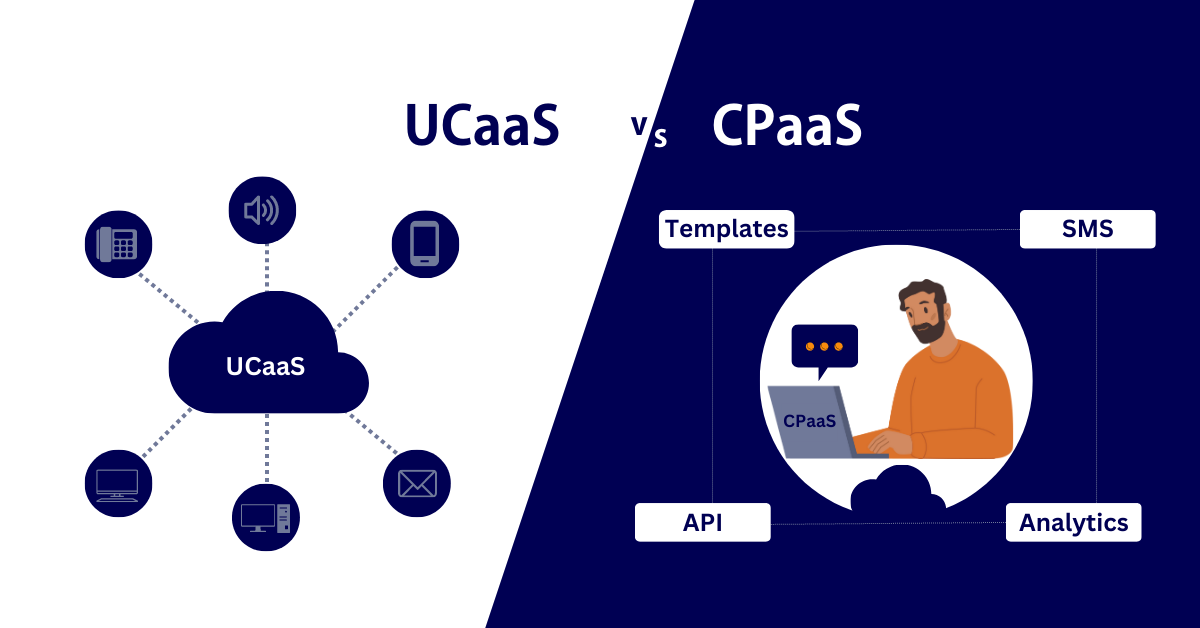
Unified communications is a cloud-based communication system that integrates all business communication channels into a single platform.
Instead of managing multiple communication systems, teams use the same communication tools across offices, remote locations, and mobile devices.
Unified communications typically include:
- Voice calls replacing traditional telephony systems
- Instant messaging for real-time communication
- Video conferencing and virtual meetings
- Screen sharing for faster collaboration
- Mobile access supporting remote work
With cloud communications, businesses enable employees to communicate effectively from any physical location using a secure internet connection, as outlined in industry guidance from Gartner.
How Unified Communications Improves Employee Productivity
Employee productivity improves when communication is simple, fast, and reliable. Unified communications removes friction from everyday business processes.
Faster Real-Time Collaboration
Unified communications systems allow teams to connect instantly without switching tools or losing context.
Productivity improvements include:
- Team communicates faster using unified communication channels
- Real time collaboration improves decision-making speed
- Screen sharing reduces explanation time during meetings
- Schedule meetings instantly across multiple devices
Employees spend less time managing communication tools and more time executing high-value work.
Better Team Collaboration Across Locations
Remote work and hybrid teams are now standard for US businesses. Unified communications supports remote teams without sacrificing performance.
McKinsey & Company found that organizations with strong digital collaboration tools are better positioned to support remote workers without sacrificing productivity. Unified communications plays a key role by enabling seamless communication, real-time collaboration, and consistent engagement across remote and hybrid teams.
Remote workforce advantages include:
- Remote workers stay connected through seamless communication
- Collaboration capabilities remain consistent across locations
- Virtual meetings replace costly in-person sessions
- Remote teams collaborate using the same communication tools
This consistency improves employee satisfaction and reduces burnout, a trend supported by workforce research from McKinsey & Company.
How Unified Communications Reduces Business Costs
Unified communications delivers significant cost reductions by eliminating inefficiencies built into traditional communication systems.
Reduced Operating and Infrastructure Costs
Legacy phone systems require hardware, maintenance contracts, and ongoing upgrades. Unified communications replaces traditional telephony with scalable cloud platforms.
Cost reduction areas include:
- Lower operating costs through cloud communications
- Fewer hardware upgrades and maintenance expenses
- Reduced IT support for multiple communication systems
- Scalable pricing aligned with business growth
Many SMBs report measurable savings after migrating to UC platforms, as highlighted in cost-efficiency studies referenced by Gartner.
Fewer Apps and Lower Subscription Expenses
Multiple apps mean multiple licenses, vendors, and renewals. Unified communications consolidates tools into a single system.
Savings from consolidation include:
- Eliminates costs from multiple communication tools
- Reduces licensing fees across various communication tools
- Simplifies vendor management and partner management
- Improves budget forecasting for business leaders
One cohesive system replaces a fragmented technology stack.
Unified Communications and Operational Efficiency
Operational efficiency improves when communication flows naturally through business operations.
Unified communications integrates communication directly into daily workflows.
Operational efficiency improvements include:
- Faster approvals through real-time communication
- Better workflow efficiency across departments
- Integrated collaboration tools within business processes
- Improved coordination across multiple channels
Teams operate smarter, with fewer delays and miscommunications.
Unified Communications and Customer Experience
Customer experience depends on speed, clarity, and personalization. Unified communications supports all three.
Enhanced Customer Service Through Unified Platforms
Unified communications systems provide complete visibility into customer interactions.
Customer service benefits include:
- Centralized customer data improves personalized service
- Faster responses across communication channels
- Consistent tone across customer engagement touchpoints
- Seamless handoffs between teams
According to customer experience research published by Salesforce, businesses that deliver consistent communication across channels see higher customer satisfaction and retention.
Personalized Customer Interactions at Scale
Customers expect personalized customer interactions, not scripted responses.
Unified communications enables personalized service using real time data and context.
Personalization advantages include:
- Unified customer data across communication channels
- Context-aware conversations improve customer satisfaction
- Business analytics support smarter service decisions
- Data insights improve customer experience continuously
Unified Communications vs Traditional Communication Systems
| Feature | Traditional Telephony | Unified Communications Platform |
| Communication Tools | Separate, disconnected systems | Single cohesive system |
| Remote Work Support | Limited and unreliable | Built-in and seamless |
| Collaboration Tools | Minimal or unavailable | Advanced collaboration solutions |
| Operating Costs | High and unpredictable | Lower, scalable pricing |
| Customer Experience | Fragmented communication | Consistent, personalized engagement |
| Security | Basic protection | Multi-factor authentication |
This comparison highlights the key benefit of unified communications: simplicity combined with performance.
Security and Compliance in Unified Communications
Security is critical, especially when handling sensitive data.
Modern unified communications platforms follow best practices outlined by organizations such as NIST.
NIST cybersecurity guidelines recommend strong access controls, encryption, and authentication for cloud-based communication systems. Modern unified communications platforms follow these best practices to protect sensitive data while supporting secure, seamless communication across devices and locations.
Security features commonly include:
- Multi-factor authentication for secure user access
- Encrypted voice calls and video conferencing
- Secure handling of customer data
- Controlled access across multiple devices
These measures protect sensitive data while enabling seamless communication.
Unified Communications for US SMBs: Real Use Case
A US-based SMB with a distributed workforce faced declining productivity. Employees used separate apps for voice calls, instant messaging, and project management.
Many unified communications platforms integrate with widely used collaboration tools such as Microsoft Teams, allowing businesses to extend their existing workflows rather than replace them. This flexibility improves adoption rates and enhances collaboration capabilities across departments.
After adopting unified communications solutions:
Results within six months included:
- Reduced operating costs by thirty percent
- Improved employee productivity across the remote workforce
- Increased customer satisfaction through faster responses
- Simplified business communication and reporting
This outcome aligns with operational performance trends reported by McKinsey & Company.
Why Business Leaders Choose Unified Communications
Business leaders prioritize efficiency, scalability, and cost control.
Unified communications delivers on all three.
Top reasons leaders adopt UC solutions:
- Supports remote workforce growth effectively
- Enables businesses to scale without infrastructure pain
- Improves employee satisfaction and retention
- Delivers significant cost reductions consistently
Unified communications is no longer optional. It is essential.
Why Vitel Global Recommends Unified Communications
At Vitel Global, we help businesses modernize business communication with secure, scalable unified communications solutions.
Our approach focuses on:
- Simplifying business operations through cohesive systems
- Delivering measurable cost savings
- Improving customer engagement and satisfaction
- Supporting remote work without compromise
Unified communications is the foundation of future-ready organizations.
Final Thoughts
Unified communications is no longer just a technology upgrade. It is a strategic business decision.
By replacing fragmented communication tools with a single cohesive system, businesses improve productivity, reduce operating costs, and deliver better customer experiences.
At Vitel Global, we believe unified communications empowers organizations to work smarter, scale faster, and compete effectively in a remote-first economy.
Free Unified Communications Cost Assessment
Start a free UC cost assessment to evaluate current communication costs and uncover productivity improvement opportunities today.
FAQs: Unified Communications Explained
1. How can unified communications improve employee productivity?
Unified communications improves employee productivity by reducing tool switching, enabling real-time collaboration, and supporting remote teams. Employees communicate faster, collaborate efficiently, and complete tasks using one unified communications platform across devices and locations.
2. How does unified communications help businesses reduce operating costs?
Unified communications reduces operating costs by replacing traditional telephony, eliminating multiple apps, lowering infrastructure expenses, and simplifying vendor management. Businesses achieve significant cost savings through cloud communications and scalable pricing models.
3. How can unified communications enhance customer service?
Unified communications enhances customer service by centralizing customer data, enabling faster responses, and supporting personalized customer interactions. Teams deliver exceptional customer service using real-time communication across consistent communication channels.
4. Is unified communications secure for handling sensitive data?
Unified communications systems include multi factor authentication, encrypted voice calls, secure video conferencing, and controlled access. These protections ensure sensitive data remains secure across remote locations and multiple devices.
5. How unified communications supports remote workforce collaboration?
Unified communications supports remote workforce collaboration by enabling virtual meetings, screen sharing, instant messaging, and mobile access. Remote workers communicate effectively from any physical location, improving collaboration capabilities and overall productivity.
Published: February 9th, 2026
Subscribe to Our Latest Updates
Get monthly product and feature updates, the latest industry news, and more!